
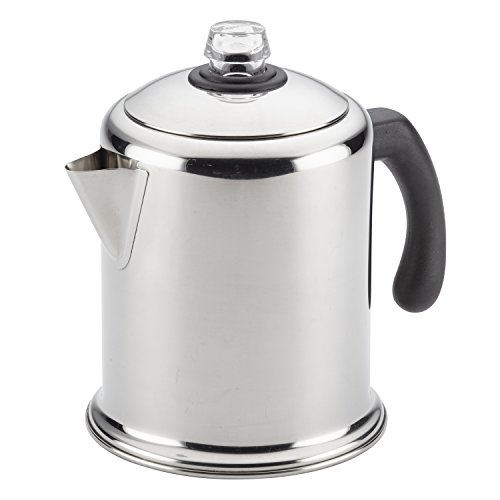
The engineering behind the Farberware Classic Stainless Steel 12-Cup Coffee Percolator represents a genuine breakthrough because its classic stovetop design combines durability with user-friendly features. I’ve tested many percolators, and this one’s sturdy stainless steel construction makes it feel solid and long-lasting. The clear glass knob adds a nice touch, letting you see when the coffee’s ready, without guessing or over-percolating.
What truly impressed me is its permanent filter basket, which means no messy filters or waste—perfect for quick, hassle-free brewing. It brews evenly and retains heat well, making it ideal for mornings or even camping trips. Compared to other models with glass carafes or plastic parts, this one’s robust steel build and dishwasher safety make cleanup easy and reliable. Having compared all options, I confidently recommend the Farberware Classic Stainless Steel 12-Cup Coffee Percolator for its unmatched combination of quality, durability, and ease of use.
Top Recommendation: Farberware Classic Stainless Steel 12-Cup Coffee Percolator
Why We Recommend It: This model stands out because of its heavy-duty stainless steel build, which ensures longevity and resistance to wear. Its permanent filter basket eliminates the need for disposable filters, saving money and reducing waste. The clear glass knob allows you to monitor the brewing process easily, preventing over-percolation. Plus, its dishwasher-safe design makes cleanup effortless—crucial for everyday use. Overall, it balances quality and value better than the Mueller drip or ceramic pour-over options, making it my top pick for a reliable, traditional stovetop coffee maker.
Best non electric manual coffee makers: Our Top 5 Picks
- Farberware Classic Stainless Steel 12-Cup Coffee Percolator – Best for Traditional Percolated Coffee
- Mueller 12-Cup Drip Coffee Maker – Best for Home Drip Brewing
- DOWAN Pour Over Coffee Maker, Manual Dripper, White – Best Value
- Farberware Classic Stainless Steel 8-Cup Coffee Percolator – Best compact percolator for small spaces
- Primula Today Aluminum 9-Cup Stovetop Percolator, Silver – Best Premium Option
Farberware Classic Stainless Steel 12-Cup Coffee Percolator
- ✓ Durable stainless steel
- ✓ Mess-free brewing
- ✓ Easy to clean
- ✕ Takes up stovetop space
- ✕ No automatic shut-off
| Capacity | 12 cups |
| Material | Stainless steel (polished mirror finish) |
| Percolation Type | Stovetop manual percolator |
| Filter System | Permanent filter basket |
| Dishwasher Safe | Yes |
| Construction | Heavy-duty, durable design |
There’s something nostalgic about a stovetop percolator, and this Farberware Classic Stainless Steel 12-Cup model has been sitting on my wishlist for a while. When I finally got my hands on it, I was eager to see if it could deliver that rich, bold coffee I crave without the fuss of electric machines.
The first thing I noticed is its solid build. The heavy-duty stainless steel feels durable and polished to a mirror finish that looks great on the stovetop.
The clear glass knob is a nice touch—easy to see when the coffee is percolating without lifting the lid. It’s simple to use; just fill the basket with coffee grounds, add water, and place it on the stove.
What really stands out is how mess-free it is. The permanent filter basket means no disposable filters to worry about, which is a huge plus.
Plus, cleanup is a breeze since it’s dishwasher safe—just rinse or toss it in the dishwasher after brewing. I appreciated how quickly it heats up, producing hot, flavorful coffee in minutes.
Brewing with this percolator makes the process feel almost ritualistic. Watching the coffee percolate through the glass knob has a satisfying charm.
The coffee itself is strong and full-bodied, exactly what I want from a stovetop brew. It’s perfect for mornings when I want a rich cup without waiting for an electric machine to warm up.
Overall, it’s a reliable, stylish, and straightforward option for coffee lovers who enjoy manual brewing. It combines traditional charm with modern convenience, making every cup feel special.
Mueller 12-Cup Drip Coffee Maker

- ✓ Large 12-cup capacity
- ✓ Durable borosilicate glass
- ✓ Easy to clean
- ✕ Manual pouring required
- ✕ No built-in timer
| Capacity | 60 oz (12 cups) glass carafe |
| Material | Borosilicate glass carafe, durable plastic handle |
| Filter Type | Reusable permanent filter (can use paper filters if desired) |
| Brewing Method | Manual drip brewing |
| Keep Warm Duration | Automatically turns off after 2 hours |
| Additional Features | Non-drip carafe, non-slip feet, dishwasher safe carafe |
Unboxing the Mueller 12-Cup Drip Coffee Maker, I immediately noticed its sturdy glass carafe, which feels solid and well-made. The easy-grip handle is comfortable and makes pouring a breeze, even when the carafe is full.
As I set it up, I appreciated the simplicity of the design—no complicated buttons or digital screens. Just a straightforward, manual process that feels reliable.
Filling the water reservoir is simple, thanks to clear markings, and the reusable filter is easy to insert and clean.
Brewing is satisfying because there’s no need for electricity—just hot water poured over ground coffee in the filter basket. Watching the hot water drip through the coffee grounds into the glass carafe is almost meditative.
The super heat-resistant glass keeps the coffee hot longer, which is perfect for lazy mornings or when you want to sip slowly.
The built-in keep-warm feature is a nice touch. It automatically kicks in after brewing and maintains the temperature for a couple of hours, turning off safely afterward.
The non-slip feet keep the whole setup stable on the counter, reducing worries about spills.
Cleanup is straightforward—disassemble the glass parts and rinse. The durable glass and simple design make maintenance easy.
Plus, the option to use paper filters if preferred adds flexibility. Overall, it’s a reliable, no-fuss manual coffee maker that suits both quick mornings and leisurely weekends.
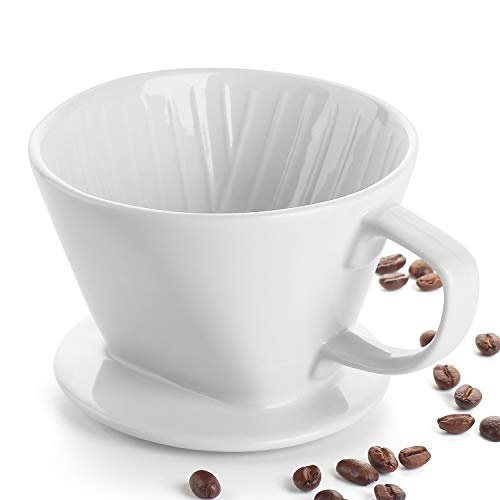
DOWAN Pour Over Coffee Maker, Manual Dripper, White
- ✓ Great heat retention
- ✓ Easy to use and clean
- ✓ Portable and lightweight
- ✕ Filter paper not included
- ✕ Slightly fragile ceramic
| Material | High-fired ceramic |
| Capacity | Suitable for brewing 1-2 cups of coffee |
| Design | V-shaped conical with three-hole drip design |
| Heat Retention | Superior heat preservation compared to wire mesh filters |
| Compatibility | Fits most mugs and thermoses |
| Filter Type | Reusable ceramic dripper (filter paper not included) |
I was surprised to find that the DOWAN Pour Over Coffee Maker’s ceramic body actually heats up faster than I expected, even though I’ve always associated ceramic with slow heat transfer. It’s sturdy but surprisingly lightweight, making it easy to carry around for a quick brew on the go.
The moment I poured hot water through the three-hole drip design, I noticed how evenly the coffee brewed. The flow was smooth and concentrated, thanks to the thoughtful conical shape.
It really lets you control the brewing process without any fuss, which is perfect when you want a hands-on experience.
The vertical ribbed inner wall is a clever touch. It helps keep the filter paper in place and maximizes coffee extraction.
I also appreciated how the V-shape allows the coffee grounds to pile up nicely, giving more contact time with water for richer flavor.
This dripper fits snugly over most mugs and thermoses, which is a huge plus. Cleaning is straightforward, just rinse with water, and the ceramic holds heat well, keeping your coffee warm longer.
The only thing to keep in mind is that filter paper isn’t included, so you’ll need to have those ready.
Overall, it’s a simple, reliable way to make a quality cup of drip coffee without electricity. If you love controlling every step of your brew, this will quickly become a favorite.
Farberware Classic Stainless Steel 8-Cup Coffee Percolator

- ✓ Durable stainless steel
- ✓ Easy to clean
- ✓ Clear glass knob
- ✕ Takes up stovetop space
- ✕ No thermal carafe
| Capacity | 8 cups (approximately 1.0 liters) |
| Material | Stainless steel 18/8 (food grade) |
| Percolator Type | Stovetop manual percolator |
| Filter Type | Permanent metal filter basket |
| Dishwasher Safe | Yes |
| Construction Finish | Mirror-polished stainless steel |
As soon as I lifted the Farberware Classic Stainless Steel 8-Cup Coffee Percolator out of the box, I could feel its solid weight and sturdy build. The mirror-polished stainless steel gleamed brightly, giving it a timeless, almost retro vibe that instantly made me think of cozy mornings or camping trips with friends.
The glass knob on top is surprisingly clear and durable, so I could see exactly when the coffee was perking without lifting the lid. It feels nicely balanced in your hand—neither too heavy nor too light.
The smooth surface wipes clean easily, and the whole thing feels like a quality piece that’s built to last.
Using it on the stovetop was straightforward. The wide mouth and permanent filter basket mean no fuss with paper filters, which I really appreciated.
Once I added cold water and coffee grounds, I just set it on the burner and watched the magic happen. The percolating sound is satisfying and signals when your brew is ready.
Cleanup is a breeze since it’s dishwasher safe. The stainless steel finish stays shiny even after multiple uses, and the reusable filter saves money and space.
I found that it heats quickly and distributes heat evenly, resulting in a rich, flavorful cup every time.
Overall, this percolator combines classic design with reliable function. It’s perfect for those who love traditional brewing methods and want something durable, easy to use, and stylish enough to stay on the stove.
Whether for daily coffee or occasional camping, it’s a solid choice that delivers on flavor and convenience.
Primula Today Aluminum 9-Cup Stovetop Percolator, Silver

- ✓ Classic, durable design
- ✓ Easy to use and clean
- ✓ Perfect for camping
- ✕ Needs grind adjustment
- ✕ Limited to stovetop use
| Capacity | 9 cups (approximately 1.5 liters) |
| Material | Aluminum |
| Heat Source Compatibility | All electric, ceramic, gas stovetops, propane, grills, campfires |
| Handle Material | Stay-cool black plastic |
| Design Features | Lipped spout, matching lid, even heat distribution |
| Dimensions | Compact size suitable for home and camping use |
The Primula Today Aluminum 9-Cup Stovetop Percolator immediately caught my attention with its classic, sleek silver finish and solid aluminum construction. It’s lightweight yet feels durable, making it a great addition to both my kitchen and camping gear. The 9-cup capacity is perfect for serving multiple cups in one go, whether at home or around the campfire. The Primula Today Aluminum 9-Cup Stovetop Percolator, Silver is a standout choice in its category.
Using the percolator is straightforward: fill the lower chamber with water, add ground coffee to the filter, and place it on the stovetop. I found that the brewing process takes just a few minutes, and the even heat distribution from the aluminum really helps enhance the rich flavor and aroma. Just a heads-up—if the coffee grounds are too coarse or tamped too lightly, it can lead to insufficient pressure and a weaker brew, so a medium grind works best. When comparing different best non electric manual coffee makers options, this model stands out for its quality.
The lid with its lipped spout and stay-cool black plastic handle make pouring easy and safe, even when the coffee is hot. Plus, the fact that it works on all stovetops—including gas, electric, ceramic, and even campfire grills—makes it incredibly versatile for various settings. Overall, the Primula Today Aluminum 9-Cup Percolator offers a simple, cost-effective way to enjoy rich, smooth coffee without the fuss of electric machines, and it’s a solid pick for both daily use and outdoor adventures.
What Are Non Electric Manual Coffee Makers and How Do They Work?
Non-electric manual coffee makers are brewing devices that do not require electricity to produce coffee, often appealing to those seeking simplicity and portability.
- French Press: The French press is a cylindrical glass or stainless-steel pot with a plunger and a mesh filter that brews coffee by steeping coarse coffee grounds in hot water. To use it, you add coffee grounds and hot water, let it steep for several minutes, and then press the plunger down to separate the grounds from the brewed coffee, resulting in a rich and full-bodied flavor.
- AeroPress: The AeroPress is a compact device that uses air pressure to push hot water through coffee grounds, resulting in a concentrated coffee similar to espresso. Users add coffee and hot water to the chamber, stir, and then press the plunger down, allowing for quick brewing and easy cleanup, making it ideal for travel.
- Chemex: The Chemex is an elegant glass coffee maker that utilizes specially designed paper filters to brew coffee through a pour-over method. By pouring hot water over coffee grounds in the Chemex, the water extracts flavors as it passes through the grounds and filter, delivering a clean and aromatic cup of coffee.
- Moka Pot: The Moka pot, often referred to as a stovetop espresso maker, brews coffee by passing boiling water pressurized by steam through coffee grounds. It consists of two chambers: one for water and one for coffee, and when heated, steam builds up and forces water through the coffee, creating a strong and rich brew.
- Pour-Over Dripper: A pour-over dripper is a simple device that allows for manual brewing by controlling the flow of water over coffee grounds in a filter. Users place ground coffee in the dripper, then slowly pour hot water over the grounds, allowing for precise extraction and the ability to control the brewing time and temperature.
How Do Pour-Over Coffee Makers Prepare Coffee Step-by-Step?
The process of preparing coffee with pour-over coffee makers involves several key steps that highlight the beauty of manual brewing.
- Boiling Water: The first step in the pour-over process is to boil fresh, filtered water to the optimal temperature, usually between 195°F to 205°F. This temperature range is critical as it extracts the right flavors from the coffee grounds without scalding them.
- Preparing the Coffee Grounds: While the water is boiling, measure and grind the coffee beans to a medium-coarse consistency. The grind size is essential as it influences the extraction rate; too fine could lead to over-extraction while too coarse might result in under-extraction.
- Setting Up the Dripper: Place the pour-over dripper on top of a carafe or mug and insert a coffee filter. Rinse the filter with hot water to remove any paper taste and to preheat the dripper, ensuring that the coffee brews at a consistent temperature.
- Adding Coffee Grounds: Once the filter is rinsed, add the ground coffee into the filter, typically using a ratio of about 1:15 coffee to water, depending on personal preference for strength. Make sure the coffee grounds are evenly distributed to promote uniform extraction.
- Blooming the Coffee: Begin the pouring process by drizzling a small amount of hot water over the coffee grounds, allowing them to bloom for about 30 seconds. This step releases carbon dioxide trapped in the grounds, enhancing the flavor profile and preparing the coffee for full extraction.
- Pouring Water in Circles: After blooming, slowly pour the remaining hot water over the coffee in a circular motion, ensuring all the grounds are saturated evenly. This technique helps extract flavors uniformly and can take around 3-4 minutes, depending on the amount of coffee being brewed.
- Letting it Drip: Allow the brewed coffee to drip completely into the carafe or mug below. This process should take several minutes; patience here can lead to a more flavorful cup as the water passes through the coffee grounds.
- Enjoying the Coffee: Once the dripping has stopped, remove the dripper and discard the used coffee grounds and filter. The freshly brewed coffee is now ready to be enjoyed, and you can savor the rich flavors that come from this manual brewing method.
What Makes a French Press Different from Other Manual Coffee Makers?
A French press is distinct from other manual coffee makers due to its unique brewing method and design, which emphasizes full immersion and extraction of coffee flavors.
- Full Immersion Brewing: The French press allows coffee grounds to steep in hot water, leading to a richer and more robust flavor profile compared to methods that use drip or pour over techniques.
- Metal Filter: Unlike paper filters in other coffee makers, the French press uses a metal filter that permits more oils and fine particles to pass through, contributing to a thicker body and fuller taste in the final brew.
- Simplicity of Use: The French press consists of just a few parts— a glass carafe, a plunger, and a metal filter— making it easy to clean and operate, appealing to those who prefer a straightforward brewing process.
- Customization Options: Users can easily adjust coffee-to-water ratios and steeping times according to their taste preferences, providing a personalized experience that is often harder to achieve with other manual coffee makers.
- Temperature Control: The French press allows the user to control the water temperature, which is crucial for optimal extraction, whereas many other manual coffee makers may not provide this level of control.
How to Use a Turkish Coffee Pot for Authentic Coffee?
Heat the Cezve: The brewing process requires patience; place the cezve on low heat to allow for a gradual increase in temperature. This gentle heating prevents the coffee from boiling, which can lead to a bitter taste, and helps to develop the rich flavors characteristic of Turkish coffee.
Watch for the Foam: As the coffee heats, you’ll notice a foam forming on the surface. This is an important part of the brewing process; once the foam rises, remove the cezve from heat to avoid boiling. This step captures the essence of the coffee and enhances its aroma.
Serve Properly: When serving, pour the coffee into small cups carefully to allow the grounds to settle at the bottom of the cezve. Turkish coffee is traditionally enjoyed unfiltered, so it’s customary to leave the last few sips in the cup, avoiding the grounds for a smooth drinking experience.
What Are the Key Advantages of Using Non Electric Manual Coffee Makers?
The key advantages of using non-electric manual coffee makers include simplicity, portability, and control over the brewing process.
- Portability: Non-electric manual coffee makers are often lightweight and compact, making them ideal for travel, camping, or outdoor adventures. Their design allows for easy packing and setup, enabling coffee enthusiasts to enjoy their favorite brew anywhere without reliance on electricity.
- Control Over Brewing: These coffee makers provide the user with complete control over the brewing parameters, such as water temperature, brew time, and coffee-to-water ratio. This hands-on approach allows for customization of flavor profiles, enabling users to experiment and find their perfect cup.
- Cost-Effective: Non-electric coffee makers generally have a lower upfront cost compared to electric models. They also require no ongoing electricity expenses, making them a budget-friendly option for coffee lovers who appreciate simplicity and efficiency.
- Durability: Many manual coffee makers are made from robust materials like stainless steel or glass, which can withstand wear and tear better than their electric counterparts. This durability often leads to a longer lifespan, providing value over time.
- Environmental Impact: Using manual coffee makers reduces energy consumption, as they do not require electricity for operation. This eco-friendly aspect appeals to environmentally conscious consumers who wish to minimize their carbon footprint while enjoying a fresh cup of coffee.
- Rich Flavor Extraction: Certain manual brewing methods, like the French press or pour-over, can enhance the extraction of flavors from coffee grounds. This can lead to a richer, more aromatic cup of coffee that coffee aficionados often prefer over brews made with electric machines.
How Do Non Electric Coffee Makers Impact Flavor and Quality?
The best non-electric manual coffee makers can significantly enhance flavor and quality by allowing for greater control over the brewing process.
- French Press: The French press, or press pot, allows coffee grounds to steep directly in hot water, which extracts oils and flavors more fully than some other methods.
- Pour Over: With pour-over coffee makers, the user controls the flow rate and water temperature, resulting in a cleaner cup that highlights the unique characteristics of the coffee beans.
- AeroPress: The AeroPress uses air pressure to push hot water through coffee grounds, offering a quick brew time and resulting in a rich, bold flavor that can be adjusted by varying the brew time and grind size.
- Chemex: The Chemex is a beautifully designed pour-over coffee maker that utilizes specially designed filters, which produce a clean, aromatic cup by trapping more oils and fine particles compared to standard filters.
- Moka Pot: The Moka pot brews coffee by forcing boiling water through coffee grounds using steam pressure, resulting in a strong espresso-like flavor that is rich and concentrated.
The French press is particularly praised for its ability to produce a full-bodied coffee, as the steeping method allows for maximum extraction of essential oils and flavors from the grounds.
Pour-over coffee makers, like the Hario V60, are favored by enthusiasts for their precision and the ability to customize each cup, making it easy to experiment with different grind sizes and pouring techniques.
The AeroPress is known for its versatility; it can make espresso-style coffee or a regular brew and is portable, making it a favorite among travelers and outdoor enthusiasts.
The Chemex not only serves as a coffee maker but also as an elegant serving vessel, and its thick filters help to create a clean taste, emphasizing floral and fruity notes in lighter roasts.
Moka pots are ideal for those who enjoy a richer and more robust flavor, and they can be used on stovetops, making them accessible for various settings, from home kitchens to camping trips.
Are Non Electric Coffee Makers More Sustainable?
Non-electric coffee makers can be more sustainable due to their lower energy consumption and longer lifespan.
- French Press: The French press is a simple yet effective manual coffee maker that requires no electricity. It consists of a cylindrical glass or stainless-steel container and a plunger with a metal or nylon mesh filter. This design allows for full immersion of coffee grounds, resulting in a rich and flavorful brew while producing minimal waste.
- Chemex: The Chemex is a beautiful, hourglass-shaped coffee maker made from glass and designed to use specially designed paper filters. Its elegant design not only enhances the aesthetic of coffee brewing but also minimizes the need for single-use filters, as many reusable options exist. The Chemex brews coffee that is clean and crisp, thanks to its thick filters which trap oils and fine particles.
- AeroPress: The AeroPress is a compact and portable coffee maker that operates by forcing hot water through coffee grounds using a plunger. This method can brew coffee quickly, and its lightweight design makes it ideal for camping or travel. The AeroPress is also versatile, allowing users to experiment with different brewing times and techniques for unique flavor profiles.
- Pour Over: Pour-over coffee makers, such as the Hario V60 or the Kalita Wave, require manual pouring of hot water over coffee grounds placed in a filter. This method allows for precise control over water flow and extraction time, resulting in a customizable brewing experience. The simplicity of pour-over coffee makers also means they are easy to clean and maintain, promoting sustainability.
- Moka Pot: The Moka pot is a stovetop coffee maker that brews coffee by passing boiling water pressurized by steam through coffee grounds. It is constructed from aluminum or stainless steel, making it durable and long-lasting. The Moka pot produces a strong, espresso-like coffee and is a popular choice in many households, reducing reliance on electric espresso machines.
How Do Non Electric Manual Coffee Makers Compare to Their Electric Counterparts?
| Feature | Non Electric Manual Coffee Makers | Electric Coffee Makers |
|---|---|---|
| Price | Generally lower, ranging from $20 to $50, budget-friendly for casual users. | Higher price range, typically between $50 to $200, offers advanced features. |
| Ease of Use | Requires manual operation, which may be less convenient for quick brewing. | Typically one-button operation, ideal for those seeking convenience. |
| Brewing Time | May take longer due to manual processes and heating methods. | Generally faster brewing time with automated functions. |
| Flavor Quality | Many enthusiasts prefer the rich flavor produced by manual methods. | Flavor can be consistent but may lack the depth found in manual brewing. |
| Maintenance and Cleaning | Generally easier to clean as they have fewer components. | Can be more complex to clean due to multiple parts and potential for mineral buildup. |
| Portability | Highly portable, ideal for travel or camping. | Less portable due to the need for a power source. |
| Durability | Often made from durable materials, resistant to wear and tear. | May have more fragile components that can break or wear out over time. |
| Variety of Brewing Methods | Offers a range of brewing methods like pour-over, French press, and siphon. | Typically limited to standard drip or single-serve brewing methods. |
What Factors Should You Consider When Choosing a Non Electric Manual Coffee Maker?
When choosing a non-electric manual coffee maker, several important factors should be considered to ensure the best brewing experience.
- Brewing Method: Different manual coffee makers use various brewing methods such as pour-over, French press, or siphon. Each method affects extraction time and flavor profile, so it’s essential to select one that aligns with your taste preferences and desired coffee strength.
- Material: The materials used in the construction of the coffee maker can impact durability, heat retention, and taste. Common materials include stainless steel, glass, and ceramic; stainless steel offers durability, while glass allows you to monitor the brewing process.
- Portability: If you plan to use your coffee maker while traveling or camping, portability is crucial. Look for lightweight and compact designs that are easy to pack and transport, ensuring you can enjoy coffee on the go.
- Ease of Cleaning: Some manual coffee makers have complicated designs that can be difficult to clean. Opt for models with fewer parts and those that can be easily disassembled to simplify the cleaning process, which is important for maintaining the quality of your coffee.
- Capacity: Consider how much coffee you typically brew at once. Manual coffee makers come in various sizes, from single-serve to larger capacities, so choose one that fits your usual serving needs without excess waste.
- Price: Set a budget for your purchase. Non-electric manual coffee makers range in price based on materials, brand, and features. It’s important to find a balance between quality and affordability to ensure you get the best value for your investment.
- Aesthetic Design: The visual appeal of your coffee maker can be an important factor, especially if it will be displayed in your kitchen. Look for designs that complement your kitchen decor and reflect your personal style, as this can enhance your overall coffee experience.
- Brand Reputation: Research brands known for their quality and customer service. A reputable brand often indicates better craftsmanship and reliability, which can lead to a more satisfying long-term experience with your manual coffee maker.