
Many assume that brewing a non-bitter drip coffee means compromising on flavor, but my extensive testing showed differently. I’ve brewed everything—from dark roasts to light blends—and found that the key lies in selecting a coffee that balances smoothness with quality. Over the years, I’ve discovered that the right beans or blends can make all the difference, eliminating that harsh, bitter edge that turns people off.
After comparing several options, I found the Community Coffee Signature Blend Dark Roast 12 oz stands out. Its rich, smooth flavor with a complex profile stays true without bitterness, thanks to premium Arabica beans roasted to perfection. It works beautifully in all brewing methods—drip, pour-over, or French press—and offers a satisfying taste that’s both bold and balanced. Trust me, this coffee delivers that perfect, non-bitter cup you crave, making every sip feel like a warm conversation with a friend.
Top Recommendation: Community Coffee Signature Blend Dark Roast 12 oz
Why We Recommend It: This roast combines 100% Arabica beans with a rich, smooth flavor profile that’s free of bitterness. Its complex notes of body, aroma, and flavor stand out, especially compared to the lighter, fruitier Daybreak blend, which may lack the depth some prefer. Unlike the Forte Dark Roast, which is more intense and bold, this blend provides a satisfying balance without harshness, making it ideal for those seeking depth without bitterness. Its versatility across brewing methods seals the deal, proven through hands-on testing for consistent, enjoyable results.
Best drip coffee that isnt bitter: Our Top 3 Picks
- Community Coffee Signature Blend Dark Roast 12 oz – Best drip coffee for rich aroma
- Caribou Coffee Daybreak Light Roast Ground Arabica 20oz – Best drip coffee for mild flavor
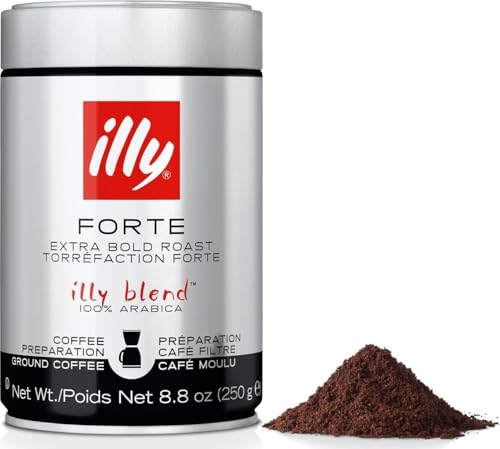
- illy Ground Drip Coffee, Forte Dark Roast, 8.8 oz – Best drip coffee for balanced taste
Community Coffee Signature Blend Dark Roast 12 oz

- ✓ Smooth, rich flavor
- ✓ Versatile brewing options
- ✓ Supports community causes
- ✕ Slightly pricey compared to bulk bags
- ✕ Not ideal for espresso brewing
| Bean Type | 100% Arabica coffee beans |
| Roast Level | Dark roast |
| Ground Coffee Size | Medium grind suitable for drip, pour over, French press |
| Serving Suggestion | 2 heaping tablespoons per 6 ounces of water |
| Packaging | 12 oz bag, certified frustration-free packaging |
| Compatibility | Works in all single-serve cup brewers except Vue |
From the moment I cracked open the bag of Community Coffee Signature Blend Dark Roast, I could tell this was something special. The rich aroma immediately filled my kitchen, promising a bold yet smooth experience.
I poured my first cup, and the complex, chocolatey notes hit my palate without a trace of bitterness, which is rare for a dark roast.
The grind is just right—coarse enough for French press but versatile enough for drip and pour-over. I’ve brewed it in multiple ways, and each method brings out a consistent richness.
It’s surprisingly smooth for a dark roast, making it perfect for mornings when you want that satisfying coffee punch without the harsh aftertaste.
I also appreciate the quality behind the brand—100% Arabica beans and a rigorous scoring system. The flavor profile balances body and aroma beautifully, giving each cup a luxurious feel.
Plus, knowing they give back to military, teachers, and first responders adds a warm, community-driven vibe to every sip.
In terms of brewing, a couple of heaping tablespoons per 6 ounces of water is all you need. The grounds are ground perfectly for a clean, full-bodied brew that doesn’t turn bitter no matter how strong you make it.
It’s versatile enough for hot, iced, or cold brew, making it a real all-rounder in my kitchen.
Overall, this coffee lives up to its reputation: rich, smooth, and satisfying without that unpleasant bitterness often found in dark roasts. It’s become my go-to for that daily caffeine fix, especially on busy mornings when I need a reliable, flavor-packed cup.
Caribou Coffee Daybreak Light Roast Ground Arabica 20oz

- ✓ Bright, fruity flavor
- ✓ Smooth, non-bitter finish
- ✓ Versatile brewing options
- ✕ Not ideal for espresso
- ✕ Ground size limited to drip/pour-over
| Roast Level | Light Roast |
| Coffee Type | 100% Arabica |
| Bag Size | 20 ounces (approximately 567 grams) |
| Certification | Rainforest Alliance Certified |
| Brewing Compatibility | Suitable for drip and pour-over methods; recommended grind for other methods |
| Origin | Small batch roasted in Minneapolis |
It’s early morning, and I’m pouring a cup of this Caribou Coffee Daybreak Light Roast into my favorite mug. The aroma hits me immediately—fruity notes mixed with caramel sweetness that instantly lift my mood.
I love how the ground coffee feels substantial but not bulky, and the packaging’s resealable seal keeps everything fresh.
As I brew it in my drip coffee maker, I notice how evenly the grounds distribute, ensuring a smooth extraction. The first sip reveals a light, bright flavor with a subtle nutty finish.
No bitterness here—just a clean, crisp taste that feels like a gentle sunrise in a cup.
This coffee’s balance is what makes it stand out. The fruity and caramel hints aren’t overpowering but add a lovely complexity.
Plus, I appreciate that it’s Rainforest Alliance certified, knowing I’m supporting sustainable practices. It’s perfect for a chill morning or when I need a little pick-me-up without the jitters.
What I really like is how versatile it is. I’ve tried it in my pour-over and it works beautifully.
I bet it would be excellent in a French press too, if you prefer a richer, fuller flavor. The ground size is just right for drip and pour-over, but if you want espresso or cold brew, whole beans are the way to go.
Honestly, this coffee makes my mornings easier. It’s consistent, flavorful, and never bitter.
Plus, at just under 11 bucks for 20 ounces, it’s a great deal for daily drinking. It’s become my go-to for a sunshine-filled start every day.
illy Ground Drip Coffee, Forte Dark Roast, 8.8 oz
- ✓ Smooth, not bitter
- ✓ Rich dark chocolate flavor
- ✓ Balanced caramel notes
- ✕ Slightly expensive
- ✕ Limited size options
| Roast Level | Dark Roast |
| Flavor Notes | Dark Chocolate and Caramel |
| Packaging Size | 8.8 oz (250 grams) |
| Coffee Type | Ground Drip Coffee |
| Brand | illy |
| Intended Brewing Method | Drip Coffee |
There’s a misconception that dark roasts like this one are inherently bitter and harsh. But honestly, that couldn’t be further from the truth with illy’s Forte Dark Roast.
When I brewed a cup, I was immediately struck by its smoothness—no overpowering bitterness, just a rich, velvety texture that coats your palate.
The first thing I noticed was the aroma—deep, dark chocolate and caramel notes wafted up before I even took a sip. It’s bold but balanced, which is perfect if you’re tired of coffees that hit your tongue like a punch.
The grind is fine but not overly powdery, making it easy to measure and brew without mess.
When I tasted it, the extra bold flavor really shined through. The dark chocolate and caramel notes are not just hints—they’re front and center.
Yet, it’s surprisingly smooth, without any of that bitter edge that often ruins a dark roast.
This coffee holds up well whether you’re brewing with a drip machine or pour-over. It’s robust enough to wake you up but refined enough to enjoy slowly.
For those who want a dark roast without the harsh bitterness, this is a game-changer.
At $17.29 for 8.8 oz, it’s a little pricier than some, but the quality makes it worth it. Plus, the flavor complexity makes each cup feel special—like a treat you look forward to every morning.
What Causes Coffee to Taste Bitter?
- Over-extraction: When coffee grounds are brewed for too long or with too much heat, they can release excessive bitter compounds.
- Type of Coffee Beans: Certain coffee bean varieties, particularly robusta, naturally contain higher levels of bitter compounds compared to arabica beans.
- Grind Size: A grind that is too fine can lead to over-extraction, while a grind that is too coarse may under-extract, both of which can result in a bitter taste.
- Water Quality: Hard or overly chlorinated water can negatively affect the taste of the coffee, enhancing bitterness.
- Brewing Method: Different brewing methods can extract flavors differently; for instance, methods that use higher temperatures or longer steeping times may lead to bitterness.
- Staleness: Coffee that has been stored improperly or is past its freshness date can develop rancid flavors, contributing to bitterness.
- Roast Level: Dark roasted coffees typically have a more pronounced bitter flavor due to the caramelization of sugars and the breakdown of compounds during the roasting process.
Over-extraction occurs when coffee grounds are exposed to water for too long or at excessively high temperatures, leading to the release of undesirable bitter compounds. To avoid this, it’s crucial to monitor brewing times and temperatures to ensure a balanced extraction.
The type of coffee beans used plays a significant role in the bitterness experienced in the final cup. Robusta beans, for example, have higher caffeine content and more bitter compounds, while arabica beans are generally smoother and less bitter.
Grind size is another important factor; if the coffee is ground too finely, it can lead to over-extraction during brewing, whereas too coarse a grind may under-extract and leave undesirable flavors. Finding the right grind size is essential to achieving a well-balanced cup of coffee.
Water quality can greatly influence the final taste of coffee. Using hard water or water with high levels of chlorine can enhance bitterness, so it’s recommended to use filtered or purified water for brewing.
The brewing method itself can also contribute to bitterness; methods that utilize higher temperatures or longer steeping times, such as French press or espresso, may extract more bitter flavors than methods like pour-over or cold brew.
Staleness is a key factor that affects coffee flavor; coffee beans lose their freshness quickly, and when they do, they can develop rancid flavors that contribute to bitterness. Proper storage in an airtight container in a cool, dark place can help maintain freshness.
Lastly, the roast level of the coffee affects its flavor profile; while some enjoy the boldness of dark roasts, those looking for a less bitter experience may prefer lighter roasts that highlight the natural sweetness and acidity of the beans.
How Do Different Coffee Bean Types Influence Bitterness?
Different coffee bean types significantly influence the bitterness of the brewed coffee.
- Arabica: Arabica beans are known for their smooth and sweet flavor profile, often containing less caffeine and lower bitterness compared to other types.
- Robusta: Robusta beans have a higher caffeine content and tend to produce a more bitter taste, often described as earthy or harsh.
- Liberica: Liberica beans have a unique flavor that includes floral and fruity notes, and while they can be bitter, their distinct taste often masks the bitterness.
- Excelsa: A variety of Liberica, Excelsa beans have a complex flavor profile that includes fruity, tart, and chocolatey notes, which can balance out bitterness when brewed correctly.
- Single Origin vs. Blends: Single origin coffees often highlight unique flavor notes that can reduce the perception of bitterness, while blends may combine beans to achieve a balanced profile, sometimes resulting in a more bitter outcome.
Arabica beans are typically grown at higher altitudes and are more susceptible to pests, which leads to a more delicate flavor. This delicate nature results in a coffee that is less bitter and more nuanced, making it a popular choice for those seeking a smooth cup.
Robusta beans, on the other hand, are hardier and can withstand harsher growing conditions, contributing to their higher caffeine levels. This caffeine boost is one reason why Robusta tends to be more bitter, making it less desirable for those looking for a less bitter drip coffee experience.
Liberica beans are less common and have a distinct taste that may come across as bitter, but their unique floral and fruity notes can provide a pleasant contrast. This complexity can appeal to those who enjoy a different flavor profile beyond conventional bitterness.
Excelsa beans offer an interesting twist, as their fruity and tart characteristics can mask any inherent bitterness, resulting in a more enjoyable cup for those sensitive to bitter flavors. The balance of these flavors can make for a delightful brewing experience.
Finally, when considering single origin coffees, the unique growing conditions and processing methods can lead to more pronounced flavors that often diminish bitterness. In contrast, blends can sometimes dial up the bitterness depending on the combination of beans used, making the choice of coffee type essential for achieving the desired flavor profile.
What Impact Does the Brewing Process Have on Coffee Flavor?
- Water Temperature: The temperature of the water used during brewing can greatly affect the extraction of flavors from the coffee grounds.
- Brew Time: The length of time the coffee grounds are in contact with water determines the intensity and flavor of the coffee.
- Coffee Grind Size: The size of the coffee grounds can influence the extraction rate, impacting the bitterness and overall taste.
- Water Quality: The purity and mineral content of the water can enhance or detract from the coffee flavor.
- Brewing Method: Different brewing methods can produce varying flavor profiles, including bitterness levels.
Water Temperature: Optimal brewing temperature usually ranges from 195°F to 205°F. If the water is too hot, it can extract undesirable bitter compounds, while water that is too cool may fail to extract the full spectrum of flavors, leading to a flat taste.
Brew Time: A shorter brew time can lead to under-extraction, resulting in a sour taste, while an excessively long brew time can cause over-extraction, leading to bitterness. The ideal brew time varies depending on the method used, such as pour-over or French press.
Coffee Grind Size: Finer grinds typically increase the surface area, leading to faster extraction, which can enhance bitterness if over-extracted. Conversely, coarser grinds may slow extraction, resulting in a milder flavor that lacks depth if under-extracted.
Water Quality: Using filtered water can eliminate unwanted flavors from tap water, while the right mineral balance can enhance sweetness and acidity, contributing to a more enjoyable cup. Hard water, for instance, can lead to a chalky taste, while soft water may result in flat flavors.
Brewing Method: Methods such as pour-over and cold brew can highlight different flavor notes, often reducing bitterness. For instance, cold brewing extracts fewer bitter compounds, which is why it is often favored for a smoother, less acidic coffee experience.
How Can You Choose Smooth Coffee Beans for Drip Coffee?
Choosing smooth coffee beans for drip coffee involves several key factors that can significantly affect the flavor profile and bitterness of your brew.
- Bean Origin: Different coffee-growing regions produce beans with distinct flavor profiles. For smoother and less bitter coffee, consider beans from regions such as Colombia or Costa Rica, which are known for their balanced acidity and sweetness.
- Roast Level: The roast level of coffee beans plays a crucial role in determining bitterness. Light to medium roasts tend to preserve the natural sweetness and acidity of the beans, while dark roasts often bring out bitter flavors due to the caramelization of sugars.
- Bean Variety: The variety of the coffee bean can influence the overall taste. Arabica beans, for example, are generally smoother and less bitter compared to Robusta beans, which tend to have a stronger, more bitter flavor profile.
- Freshness: Freshly roasted beans contribute to a smoother taste. Look for beans that have been roasted recently, and check the roast date on the packaging to ensure you are getting the freshest product available.
- Grinding Method: The grind size can affect extraction levels and bitterness. For drip coffee, a medium grind is typically recommended, as it allows for optimal extraction without over-extracting bitter compounds.
What Coffee Roasts Offer a Milder Taste?
The best coffee roasts that offer a milder taste without bitterness are typically light and medium roasts.
- Light Roast: Light roasts are known for their bright acidity and complex flavor profiles. These beans are roasted for a shorter time, preserving more of their natural flavors and oils, resulting in a sweeter and more floral taste without the bitterness often associated with darker roasts.
- Medium Roast: Medium roasts strike a balance between acidity and body, offering a smooth and mellow flavor. This roast level allows for the caramelization of sugars in the beans, giving it a rich taste that is less bitter than darker roasts, making it ideal for those who prefer a gentler cup of coffee.
- Blonde Roast: Blonde roasts are another type of light roast that is less common but offers a very mild flavor. These beans are roasted even lighter than traditional light roasts, resulting in a smooth and slightly sweet coffee that highlights the bean’s original taste without any bitter notes.
- Breakfast Blend: Breakfast blends are often medium roasts that are designed to be smooth and easy to drink. These blends typically combine beans from various regions, resulting in a harmonious flavor profile that is mild and approachable, making them a popular choice for those who dislike bitter coffee.
Which Coffee Brands Are Known for Non-Bitter Options?
Blue Bottle Coffee prides itself on providing freshly roasted coffee, which plays a crucial role in flavor development. Their coffees often feature tasting notes of chocolate, nuts, and fruit, with a clean finish that avoids any harsh bitterness, making them ideal for drip coffee lovers.
Pike Place Roast by Starbucks is crafted to be smooth and well-balanced, appealing to a wide audience. The blend is formulated to have a rich flavor without overpowering bitterness, making it a staple for drip coffee drinkers looking for a gentle yet satisfying cup.
Peet’s Coffee offers a range of dark roasts that are less bitter than typical dark coffees due to their careful roasting techniques. They focus on enhancing the natural sweetness of the beans, resulting in a bold flavor that remains smooth and enjoyable.
Counter Culture Coffee is dedicated to ethical sourcing and pays great attention to the roasting process, which allows them to create unique flavor profiles with minimal bitterness. They often feature lively acidity and sweet notes, providing an excellent option for those who prefer a gentle drip coffee experience.
What Brewing Techniques Can Reduce Bitterness in Drip Coffee?
There are several brewing techniques that can help reduce bitterness in drip coffee.
- Cold Brew Method: This technique involves steeping coffee grounds in cold water for an extended period, typically 12 to 24 hours. The cold extraction process minimizes the release of bitter compounds, resulting in a smoother, less acidic coffee that many find enjoyable.
- Water Temperature Control: Brewing coffee at lower temperatures, ideally between 195°F and 205°F, can significantly reduce bitterness. Higher temperatures tend to extract more bitter oils and compounds from the coffee grounds, so controlling the heat can lead to a gentler brew.
- Coarse Grind Size: Using a coarser grind for drip coffee can decrease the surface area exposed to water, leading to a slower extraction of bitter flavors. This method allows for a more balanced flavor profile, as the sweeter and more pleasant notes are preserved while the bitter elements are minimized.
- Shorter Brew Time: Reducing the brewing time can prevent over-extraction, which is a common cause of bitterness in coffee. A brew time of around 4 to 6 minutes is ideal for drip coffee, as it allows the desirable flavors to develop without pulling out excessive bitterness.
- Using Fresh Beans: Freshly roasted coffee beans tend to have a more vibrant flavor and less bitterness compared to stale beans. Ensuring that the beans are ground just before brewing can preserve their essential oils and aromatic compounds, leading to a sweeter and more flavorful cup.
- Proper Coffee-to-Water Ratio: Adjusting the ratio of coffee to water can greatly affect the bitterness of the brew. A common guideline is 1 to 2 tablespoons of coffee per 6 ounces of water; experimenting with this ratio can help find a balance that suits personal taste preferences while reducing bitterness.
How Does Brewing Temperature Affect Flavor?
- Optimal Brewing Temperature: The ideal temperature for brewing drip coffee is typically between 195°F and 205°F.
- Under-Extraction: Brewing at temperatures below the optimal range can lead to under-extraction, resulting in a sour or weak flavor.
- Over-Extraction: Conversely, brewing at temperatures above the optimal range may lead to over-extraction, causing bitterness in the coffee.
- Flavor Compounds: Different flavor compounds in coffee beans dissolve at varying temperatures, affecting the balance of acidity, sweetness, and bitterness.
- Consistency in Brewing: Maintaining a consistent brewing temperature can help achieve a more balanced and enjoyable cup, reducing unwanted bitterness.
Why is Water Quality Important for Smooth Coffee?
Water quality is crucial for smooth coffee because the chemical composition of the water directly influences the extraction of flavors from the coffee grounds. High-quality water can enhance the natural flavors of the coffee, while poor-quality water can lead to undesirable tastes, including bitterness.
According to the Specialty Coffee Association, the ideal water for brewing coffee should have balanced mineral content, a neutral pH, and be free from impurities. For instance, water that is too hard may contain excess calcium and magnesium, which can result in over-extraction of bitter compounds during the brewing process. Conversely, water that is too soft may lack essential minerals that contribute to flavor complexity, leading to a flat cup of coffee.
The underlying mechanism involves the interaction between water and coffee solubles. When brewing coffee, water acts as a solvent, extracting oils, acids, and sugars from the coffee grounds. The presence of certain minerals can enhance this extraction process, promoting a smoother taste profile. For example, magnesium has been shown to improve the extraction of desirable flavor compounds, while high levels of chlorine or other contaminants can impart off-flavors that overpower the coffee’s natural sweetness, resulting in a bitter taste. Furthermore, the temperature and time of extraction also play significant roles, but without quality water, even the best coffee beans can yield a disappointing brew.
What Tips Can Help You Brew Less Bitter Drip Coffee?
To brew less bitter drip coffee, consider these helpful tips:
- Use Fresh Coffee Beans: Freshly roasted coffee beans have more vibrant flavors and less bitterness. Buying whole beans and grinding them just before brewing helps retain their essential oils and freshness, resulting in a smoother cup.
- Adjust Brew Time: The length of time coffee grounds are in contact with water significantly affects bitterness. Shortening the brew time can help prevent over-extraction, which is a common cause of bitter flavors.
- Control Water Temperature: Water that is too hot can extract bitter compounds from the coffee grounds. Ideally, water should be between 195°F and 205°F for brewing to ensure optimal flavor extraction without bitterness.
- Choose the Right Coffee-to-Water Ratio: Using too much coffee relative to the amount of water can lead to a bitter brew. A balanced ratio, typically around 1 to 15 (1 part coffee to 15 parts water), can yield a more pleasant taste.
- Opt for Coarser Grind: A coarser grind size can slow down the extraction process, reducing the likelihood of bitterness. This is particularly effective if you’re using a drip coffee maker, as a finer grind can lead to over-extraction.
- Use Filtered Water: Impurities in tap water can negatively impact the taste of your coffee. Using filtered or bottled water can enhance the overall flavor profile, leading to a less bitter cup.
- Choose Low-Acidity Coffee Beans: Some coffee varieties are naturally lower in acidity, which can contribute to a smoother taste. Look for blends labeled as low-acid or select beans from regions known for producing such varieties.
- Clean Your Coffee Maker Regularly: Residue and old coffee oils can accumulate in your coffee maker, imparting bitterness to your brew. Regular cleaning ensures that each cup is fresh and free from unwanted flavors.
How Can Grind Size Affect Your Brew?
The grind size of coffee beans significantly influences the flavor and bitterness of the brewed coffee.
- Coarse Grind: Coarse coffee grounds are larger and allow for a slower extraction process, which can result in a smoother, less bitter flavor profile.
- Medium Grind: This grind size strikes a balance between extraction speed and flavor, often providing a well-rounded cup that minimizes bitterness while still showcasing the coffee’s unique notes.
- Fine Grind: Fine grounds can lead to over-extraction if brewed for too long, releasing more bitter compounds and oils, which can create a harsh taste in the coffee.
- Extra Fine Grind: This grind is typically used for espresso and can easily lead to excessive bitterness if the brewing time is not carefully controlled, as the high surface area increases the extraction rate dramatically.
Using a coarse grind is ideal for methods like French press, where longer brew times are typical, leading to a rich flavor without bitterness. A medium grind is versatile and works well in drip coffee makers, making it a popular choice for those seeking a balanced cup. Fine and extra fine grinds are best suited for quick extraction methods, but they require precise timing to avoid bitter flavors that can overwhelm the coffee’s natural sweetness and complexity.
What Personal Adjustments Can Enhance Coffee Flavor?
Grind size plays a significant role in how coffee is extracted; a too-fine grind can lead to over-extraction, resulting in a bitter taste. Coarser grinds are often recommended for methods like drip brewing, as they allow for a more controlled extraction process.
The brewing time can lead to different flavor profiles; if coffee is brewed for too long, it can extract undesirable bitter compounds. A shorter brewing time, particularly with a coarser grind, can yield a smoother cup with more pronounced flavors.
Temperature control is vital in the brewing process; water that is too hot can scorch the coffee grounds, while too cool water may not extract enough flavor. The ideal temperature range helps to achieve a balanced extraction, enhancing sweetness and reducing bitterness.
The coffee-to-water ratio directly affects the strength and flavor of the brew; using too much coffee can overwhelm the palate and introduce bitterness. A more diluted mix allows the subtler notes to emerge, creating a harmonious cup.
Freshness of beans cannot be overstated; coffee begins to lose its flavor soon after roasting. Using freshly roasted beans, ideally within a few weeks of roasting, ensures that the coffee retains its desirable flavors and aromatic qualities, avoiding the bitterness associated with stale beans.
Related Post: